
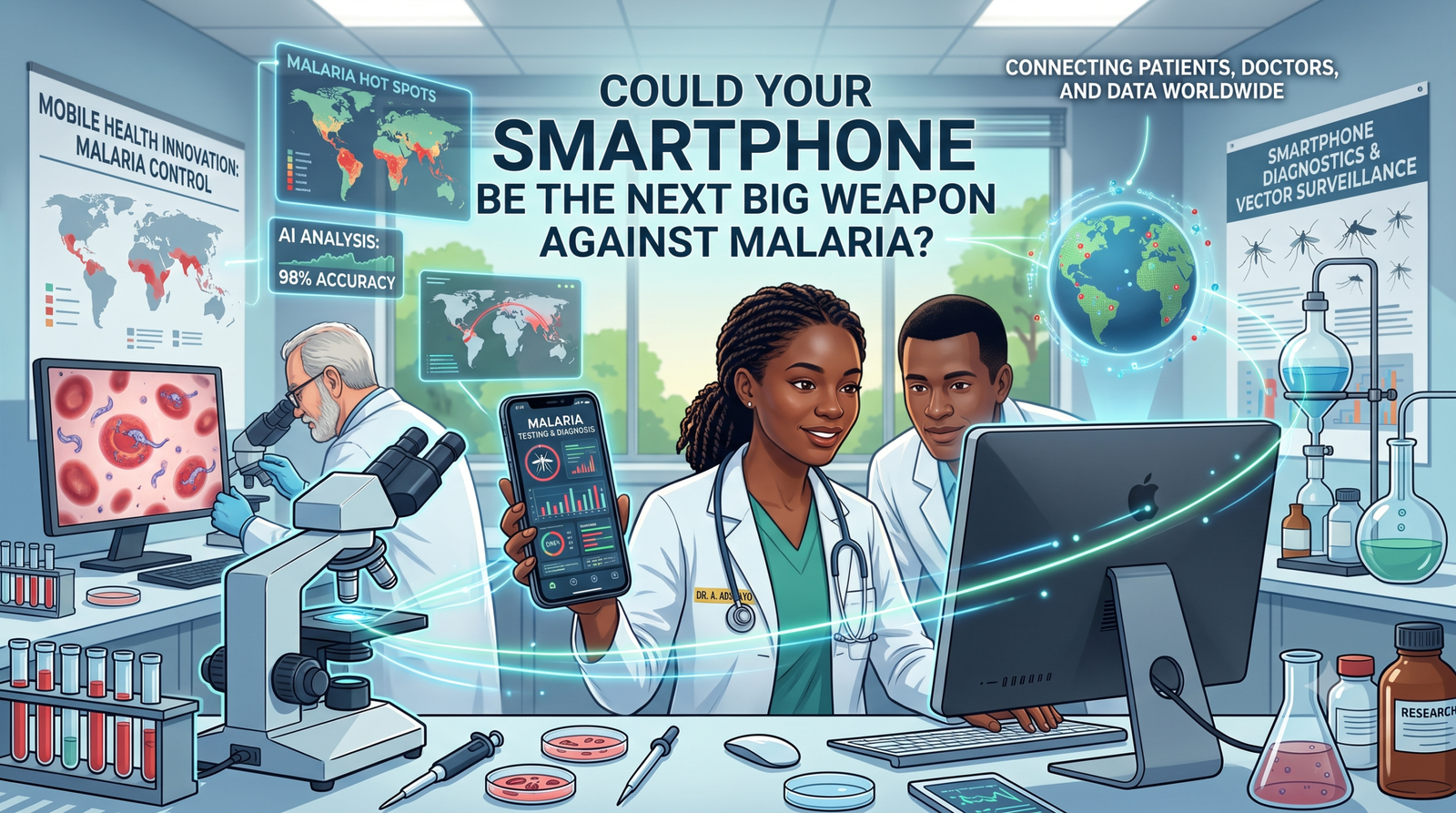
If you found a mosquito larva floating in an old tire, what would you do? Most of us would dump the water out and move on. But in Madagascar, one quick smartphone photo taken in 2020 turned out to be a groundbreaking scientific discovery, highlighting a completely new frontline in the fight against malaria.
So, how exactly are everyday citizens and artificial intelligence (AI) teaming up to track down some of the world’s most dangerous pests?
The Threat Hiding in Plain Sight
The mosquito in question is Anopheles stephensi. Unlike typical rural mosquitoes, this aggressive, pesticide-resistant species thrives in densely populated urban environments. It breeds easily in artificial containers like buckets and discarded tires, allowing it to sustain year-round malaria transmission in cities. The World Health Organization has flagged its spread as a severe threat to malaria control in Africa, warning that it could put an additional 126 million people at risk.
Traditional mosquito surveillance—which involves setting physical traps and deploying experts into the field—is expensive, time-consuming, and incredibly difficult to scale across sprawling urban landscapes.
Enter Citizen Science and AI
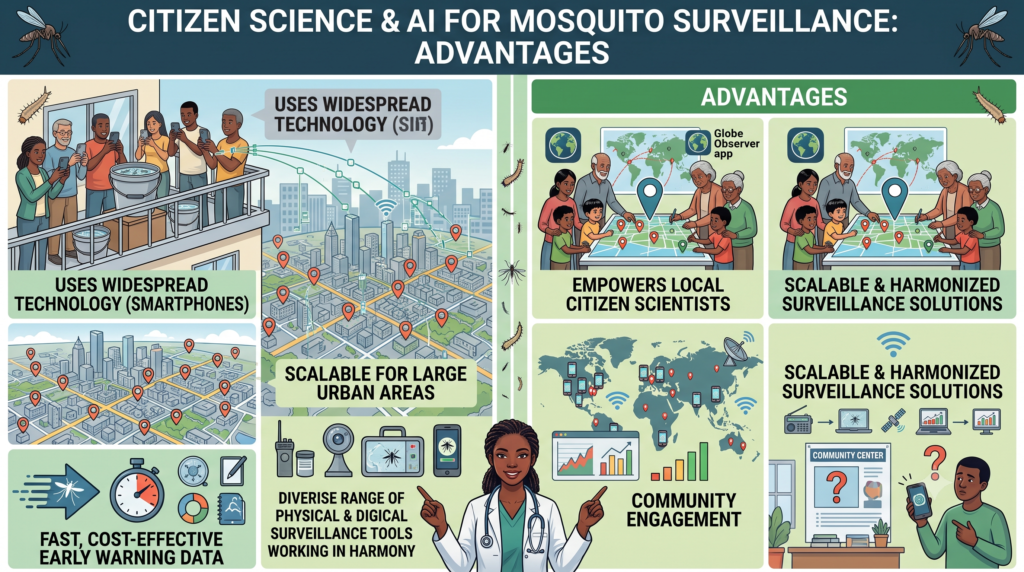
This is where the public steps in. Researchers recently made a startling breakthrough while reviewing historical data on GLOBE Observer, a citizen science app developed by NASA. They found a close-up photo of a mosquito larva submitted by a resident in Madagascar’s capital, Antananarivo.
By training AI image recognition algorithms on thousands of verified photos, the research team created a specialized tool capable of identifying this invasive species. When the AI analyzed that single, years-old smartphone photo, it confirmed the very first detection of Anopheles stephensi in the country.
How Can Everyday People Help?
It might sound complex, but the process is incredibly accessible. Using free, globally available apps like iNaturalist, Mosquito Alert, or NASA’s GLOBE Observer, citizens can snap pictures of mosquitoes or their larvae and upload them to a global database. Local health ministries can then use this crowdsourced, real-time data to pinpoint exactly where the insects are spreading and launch targeted control efforts.
There is a slight catch, however. For the AI to accurately identify the mosquito species, the photos must be taken using a small, inexpensive 60x magnifying clip-on lens attached to the phone’s camera. Additionally, in developing nations, limited internet access and a general lack of awareness about these apps remain significant hurdles to widespread participation.
A New Era of Global Health?
With international aid for disease control facing significant cuts, relying strictly on traditional trapping methods is no longer enough. Equipping local communities with digital tools allows them to take an active role in their own health security.
If arming citizens with a tiny lens and a smartphone app can successfully map invasive species across entire continents, what other global health crises could we crowdsource our way out of next? Will you be downloading a citizen science app to see what’s buzzing in your own backyard?
अगर आपको किसी पुराने टायर में जमा पानी में मच्छर का लार्वा तैरता हुआ मिले, तो आप क्या करेंगे? हम में से ज्यादातर लोग पानी फेंक कर आगे बढ़ जाएंगे। लेकिन मेडागास्कर में 2020 में ली गई स्मार्टफोन की एक साधारण तस्वीर एक बहुत बड़ी वैज्ञानिक खोज बन गई, जिसने मलेरिया के खिलाफ लड़ाई में एक बिल्कुल नया मोर्चा खोल दिया।
तो, दुनिया के कुछ सबसे खतरनाक कीड़ों का पता लगाने के लिए आम नागरिक और आर्टिफिशियल इंटेलिजेंस (AI) एक साथ कैसे काम कर रहे हैं?
आंखों के सामने छिपा खतरा
यहां हम एनोफिलीज स्टीफेंसी (Anopheles stephensi) मच्छर की बात कर रहे हैं। सामान्य ग्रामीण मच्छरों के विपरीत, यह आक्रामक और कीटनाशकों के प्रति प्रतिरोधी प्रजाति घनी आबादी वाले शहरी वातावरण में तेजी से पनपती है। यह बाल्टी और फेंके गए टायरों जैसे कृत्रिम कंटेनरों में आसानी से प्रजनन करता है, जिससे शहरों में साल भर मलेरिया फैलने का खतरा बना रहता है। विश्व स्वास्थ्य संगठन (WHO) ने इसके फैलाव को अफ्रीका में मलेरिया नियंत्रण के लिए एक गंभीर खतरा बताया है और चेतावनी दी है कि इससे 12.6 करोड़ अतिरिक्त लोगों को खतरा हो सकता है।
पारंपरिक मच्छर निगरानी—जिसमें जाल बिछाना और विशेषज्ञों को फील्ड में उतारना शामिल है—महंगी, समय लेने वाली प्रक्रिया है और बड़े शहरों में इसे बड़े पैमाने पर लागू करना बेहद मुश्किल है।
सिटिज़न साइंस और AI की एंट्री
यहीं पर आम जनता की भूमिका शुरू होती है। हाल ही में शोधकर्ताओं ने नासा (NASA) द्वारा विकसित एक सिटिज़न साइंस ऐप, GLOBE Observer पर ऐतिहासिक डेटा की समीक्षा करते समय एक चौंकाने वाली खोज की। उन्हें मेडागास्कर की राजधानी एंटानानारिवो के एक निवासी द्वारा सबमिट की गई मच्छर के लार्वा की एक क्लोज़-अप तस्वीर मिली।
शोध दल ने हजारों प्रमाणित तस्वीरों पर AI इमेज रिकग्निशन एल्गोरिदम को ट्रेनिंग देकर एक विशेष टूल बनाया जो इस आक्रामक प्रजाति की पहचान करने में सक्षम था। जब AI ने सालों पुरानी स्मार्टफोन से खींची गई उस इकलौती तस्वीर का विश्लेषण किया, तो उसने देश में एनोफिलीज स्टीफेंसी की पहली पहचान की पुष्टि कर दी।
आम लोग कैसे मदद कर सकते हैं?
यह सुनने में भले ही जटिल लग सकता है, लेकिन यह प्रक्रिया बहुत ही आसान है। iNaturalist, Mosquito Alert, या नासा के GLOBE Observer जैसे मुफ़्त और दुनिया भर में उपलब्ध ऐप्स का उपयोग करके, नागरिक मच्छरों या उनके लार्वा की तस्वीरें खींच सकते हैं और उन्हें वैश्विक डेटाबेस पर अपलोड कर सकते हैं। फिर स्थानीय स्वास्थ्य मंत्रालय इस क्राउडसोर्स्ड और रियल-टाइम डेटा का उपयोग यह पता लगाने के लिए कर सकते हैं कि मच्छर कहाँ फैल रहे हैं, ताकि वहां तेजी से नियंत्रण के उपाय किए जा सकें।
हालाँकि, इसमें एक छोटी सी चुनौती है। AI द्वारा मच्छर की प्रजातियों की सटीक पहचान करने के लिए, तस्वीरों को फोन के कैमरे से जुड़े एक छोटे, सस्ते 60x मैग्निफाइंग क्लिप-ऑन लेंस का उपयोग करके लिया जाना चाहिए। इसके अलावा, विकासशील देशों में सीमित इंटरनेट एक्सेस और इन ऐप्स के बारे में सामान्य जागरूकता की कमी अभी भी व्यापक भागीदारी में बड़ी बाधाएं हैं।
ग्लोबल हेल्थ का नया दौर?
रोग नियंत्रण के लिए मिलने वाली अंतरराष्ट्रीय सहायता में भारी कटौती के बीच, केवल मच्छरों को पकड़ने के पारंपरिक तरीकों पर निर्भर रहना अब पर्याप्त नहीं है। डिजिटल टूल्स के जरिए स्थानीय समुदायों को सशक्त बनाने से उन्हें अपनी स्वास्थ्य सुरक्षा में सक्रिय भूमिका निभाने का मौका मिलता है।
अगर नागरिकों को एक छोटे लेंस और स्मार्टफोन ऐप से लैस करके पूरे महाद्वीपों में आक्रामक प्रजातियों का सफलतापूर्वक नक्शा बनाया जा सकता है, तो हम और किन वैश्विक स्वास्थ्य संकटों को आम लोगों की मदद (क्राउडसोर्सिंग) से हल कर सकते हैं? क्या आप भी यह देखने के लिए सिटिज़न साइंस ऐप डाउनलोड करेंगे कि आपके अपने घर के आस-पास क्या भिनभिना रहा है?