
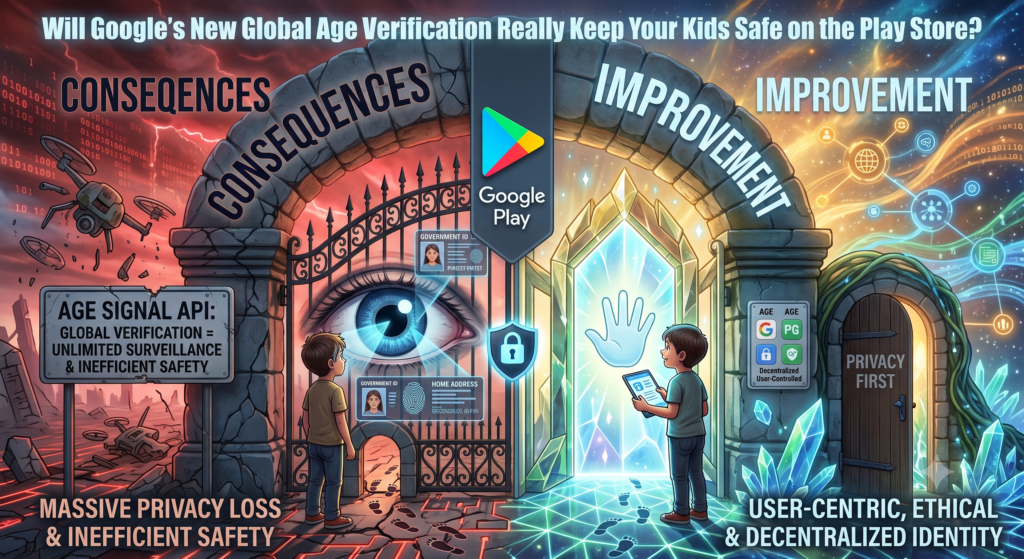
If you are a parent trying to navigate the digital world, you already know the ongoing struggle of ensuring your kids are not exposed to inappropriate apps and content. The debate over online safety and child protection has been raging for years, and tech giants are finally feeling the intense regulatory pressure to step up. Just recently, Google announced a massive move: they are expanding their Play Store age-verification tool globally by the end of 2026. But the big question on everyone’s mind is—will this actually work, or is it just another digital roadblock that tech-savvy kids will easily bypass?
How the New System Actually Works
The new system is powered by something Google calls the Play Age Signal API, which was initially launched in beta last year. Before you start worrying about uploading government IDs or taking selfies just to download a game, take a breath. Google has opted for a less intrusive route.
Instead of demanding hard identification, the tool connects directly to the existing Google Family Link app. This allows parents to set specific, dynamic age ranges for their children’s managed accounts. For example, if you set your teenager’s age range to 16-17, the Play Store will only display and allow downloads for apps tailored to that specific demographic. As your child grows, the age range dynamically updates to match their maturity. It sounds like a smooth, privacy-friendly solution on paper.
The Balancing Act: Safety vs. Privacy
This global expansion isn’t happening in a vacuum. Governments around the world have been breathing down the necks of app store operators like Google and Apple, pushing for strict online age-verification mandates. In the US alone, states like Texas, Utah, and Louisiana have already introduced rigorous laws mandating ID checks for accessing adult content online.
However, this growing trend of an “age-gated” internet has privacy experts sounding the alarm. Many argue that tying our real-world identities and ages to our digital footprints could effectively spell the end of online anonymity. Google’s API attempts to balance this by avoiding mandatory ID uploads, but it leaves many wondering if this middle ground is truly effective.
Are There Too Many Loopholes?
Despite the good intentions, critics are already poking holes in the Play Age Signal API. For one, the system relies entirely on voluntary participation. If parents don’t actively set up these age ranges in Family Link, the safety net simply does not exist.
Furthermore, what is stopping a determined minor from just creating an alternative, unmanaged account and lying about their birth year? Add to the fact that developers are not currently forced to integrate this API into their apps, and you have a system with some massive loopholes.
What’s Your Take?
While Google’s global rollout is a promising step toward a safer digital ecosystem, its true effectiveness remains to be seen. Does this give you peace of mind as a parent, or do you think kids will find a way around it by tomorrow afternoon? Drop your thoughts in the comments below—I would love to hear your take!

अगर आप एक पैरेंट हैं जो इस डिजिटल दुनिया को समझने की कोशिश कर रहे हैं, तो आप पहले से ही जानते होंगे कि बच्चों को अनुचित ऐप्स और कंटेंट से दूर रखना कितना मुश्किल काम है। ऑनलाइन सुरक्षा और बाल संरक्षण पर बहस सालों से चल रही है, और टेक दिग्गज कंपनियां आखिरकार सरकारों का भारी दबाव महसूस कर रही हैं। हाल ही में, Google ने एक बड़ा कदम उठाया है: वे 2026 के अंत तक अपने प्ले स्टोर (Play Store) एज-वेरिफिकेशन टूल का विश्व स्तर पर विस्तार कर रहे हैं। लेकिन हर किसी के दिमाग में सबसे बड़ा सवाल यह है—क्या यह वास्तव में काम करेगा, या यह सिर्फ एक और डिजिटल रुकावट है जिसे आज के स्मार्ट बच्चे आसानी से पार कर लेंगे?
यह नया सिस्टम असल में काम कैसे करता है?
यह नया सिस्टम ‘प्ले एज सिग्नल एपीआई’ (Play Age Signal API) द्वारा संचालित है, जिसे पिछले साल बीटा वर्जन में लॉन्च किया गया था। इससे पहले कि आप कोई गेम या ऐप डाउनलोड करने के लिए अपनी सरकारी आईडी अपलोड करने या सेल्फी लेने की चिंता करें, एक गहरी सांस लें। Google ने इसके लिए एक कम दखलअंदाजी वाला रास्ता चुना है।
कठोर पहचान (ID) मांगने के बजाय, यह टूल सीधे मौजूदा Google Family Link ऐप से जुड़ता है। यह माता-पिता को अपने बच्चों के प्रबंधित (managed) अकाउंट के लिए विशिष्ट और बदलने योग्य (dynamic) आयु सीमा निर्धारित करने की अनुमति देता है। उदाहरण के लिए, यदि आप अपने किशोर बच्चे की आयु सीमा 16-17 वर्ष निर्धारित करते हैं, तो प्ले स्टोर केवल उसी उम्र के लिए उपयुक्त ऐप्स दिखाएगा और डाउनलोड करने की अनुमति देगा। जैसे-जैसे आपका बच्चा बड़ा होता है, उसकी उम्र के अनुसार आयु सीमा भी अपडेट हो जाती है। यह सुनने में प्राइवेसी के अनुकूल एक बेहतरीन समाधान लगता है।
संतुलन: सुरक्षा बनाम प्राइवेसी
यह वैश्विक विस्तार रातों-रात नहीं हो रहा है। दुनिया भर की सरकारें Google और Apple जैसे ऐप स्टोर ऑपरेटरों पर दबाव डाल रही हैं, और सख्त ऑनलाइन आयु-सत्यापन (Age-verification) अनिवार्य करने पर जोर दे रही हैं। अकेले अमेरिका में, टेक्सास, यूटा और लुइसियाना जैसे राज्यों ने ऑनलाइन एडल्ट कंटेंट तक पहुंचने के लिए आईडी चेक को अनिवार्य करने वाले सख्त कानून पेश किए हैं।
हालांकि, इंटरनेट पर इस तरह की “उम्र की पाबंदी” के बढ़ते चलन ने प्राइवेसी विशेषज्ञों को चिंता में डाल दिया है। कई लोगों का तर्क है कि हमारी वास्तविक पहचान और उम्र को हमारे डिजिटल फुटप्रिंट से जोड़ने से हमारी ऑनलाइन गुमनामी (online anonymity) पूरी तरह खत्म हो सकती है। Google का API अनिवार्य ID अपलोड से बचकर इसे संतुलित करने का प्रयास करता है, लेकिन कई लोगों को अभी भी संदेह है कि क्या यह बीच का रास्ता वास्तव में प्रभावी है।
क्या इसमें बहुत सारी कमियां (Loopholes) हैं?
अच्छे इरादों के बावजूद, आलोचक पहले से ही Play Age Signal API में कमियां निकाल रहे हैं। सबसे पहली बात, यह सिस्टम पूरी तरह से स्वैच्छिक भागीदारी पर निर्भर करता है। यदि माता-पिता सक्रिय रूप से Family Link में यह आयु सीमा निर्धारित नहीं करते हैं, तो यह सुरक्षा चक्र काम ही नहीं करेगा।
इसके अलावा, किसी नाबालिग को एक नया, गैर-प्रबंधित (unmanaged) अकाउंट बनाने और अपने जन्म के साल के बारे में झूठ बोलने से कौन रोक रहा है? साथ ही, डेवलपर्स को इस API को अपने ऐप्स में शामिल (integrate) करने के लिए मजबूर नहीं किया गया है, जिसका मतलब है कि इस सिस्टम में अभी भी कुछ बड़ी खामियां मौजूद हैं।
आपकी क्या राय है?
हालांकि Google का इसे विश्व स्तर पर लागू करना एक सुरक्षित डिजिटल दुनिया की दिशा में एक आशाजनक कदम है, लेकिन इसकी वास्तविक प्रभावशीलता अभी भी देखी जानी बाकी है। एक पैरेंट के रूप में क्या इस खबर से आपको थोड़ी राहत मिलती है, या आपको लगता है कि बच्चे जल्द ही इससे बचने का कोई नया जुगाड़ निकाल लेंगे?
नीचे कमेंट्स में अपने विचार शेयर करें—मुझे आपकी राय जानकर बहुत खुशी होगी!